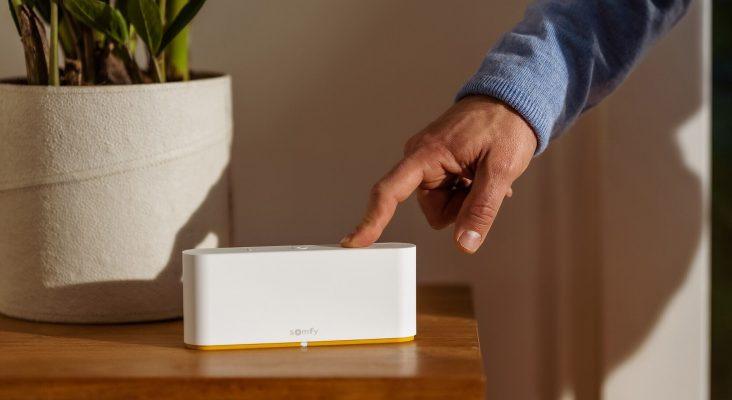


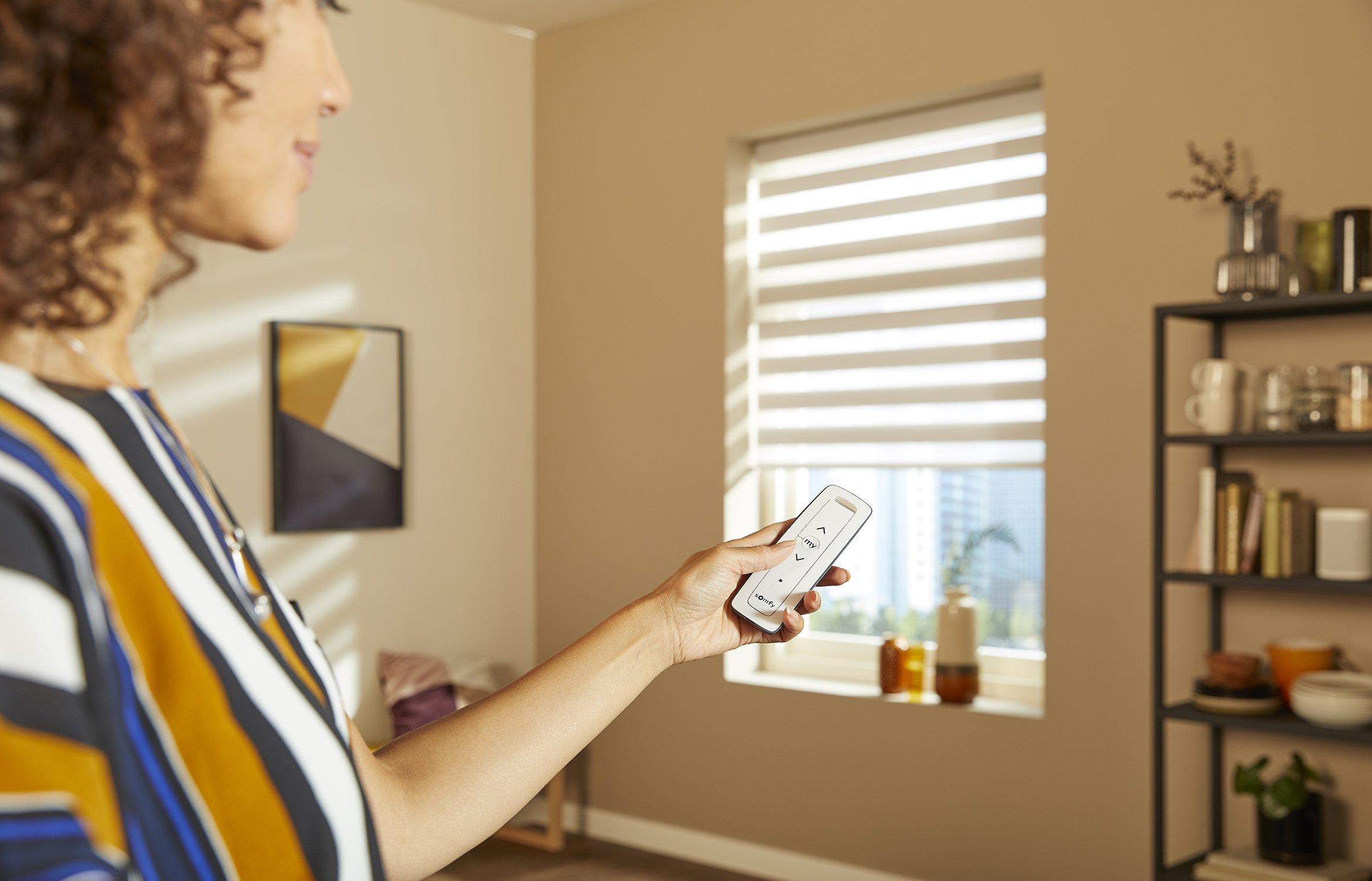
Blind motorisation is the process of fitting window blinds with electric motors so they can be opened, closed, or adjusted automatically rather than by hand. Motorised blinds can be operated using a remote control, wall switch, smartphone app, or integrated into a smart home system. They are suitable for many blind types, including roller, venetian, roman, and vertical blinds.
One of the main advantages of blind motorisation is convenience. With the touch of a button or a scheduled command, blinds can be positioned precisely, which is especially useful for hard-to-reach windows or large installations. Motorised blinds also enhance accessibility for elderly users or people with limited mobility, while eliminating dangling cords improves child and pet safety.
Motorised blinds can contribute to energy efficiency by responding automatically to sunlight and temperature. For example, blinds can close during hot periods to reduce heat gain or open in winter to allow natural warmth into a room. Power options include battery-operated, mains-powered, and solar-assisted systems, allowing flexibility depending on the building and installation requirements.
In addition to their practical benefits, blind motorisation adds a modern, high-end feel to interior spaces. Quiet operation, smooth movement, and seamless integration with lighting and climate controls make motorised blinds a popular choice in both residential and commercial settings. As smart home technology becomes more widespread, blind motorisation is increasingly seen as a standard feature rather than a luxury.